Silica bricks, known for their high melting point and excellent thermal properties, play a vital role in the construction and operation of high-temperature furnaces. These refractories are primarily composed of silicon dioxide (SiO₂) and are designed to withstand extreme conditions found in various industrial applications, particularly in the metallurgy and glass sectors. This article delves into the types, properties, manufacturing processes, applications, and future trends of silica brick in high-temperature furnaces.
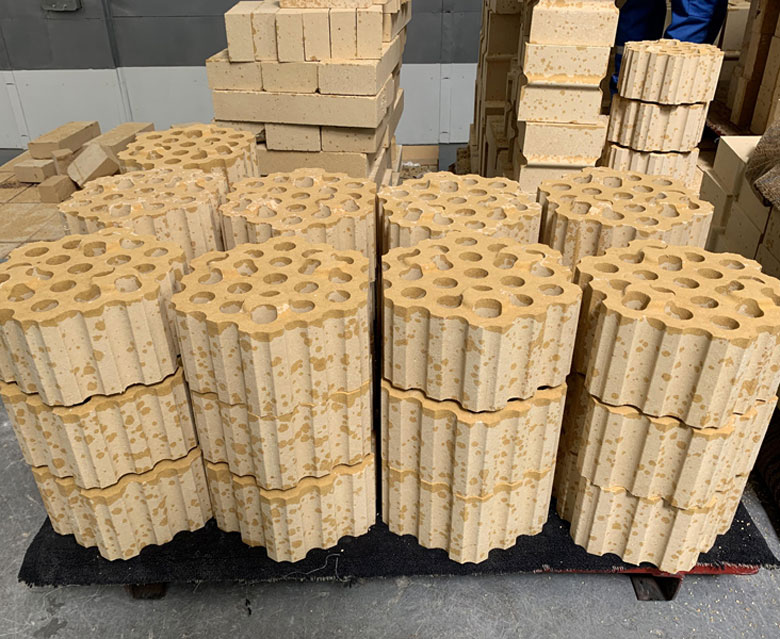
Composition and Types of Silica Bricks
1. Composition
Silica bricks are primarily made from high-purity silica sand or quartzite. The typical silica content is around 95% or higher. Other components can include small amounts of alumina, iron oxide, and various minerals that may enhance specific properties.
2. Types of Silica Bricks
Silica bricks can be categorized based on their composition and intended applications:
a. High-Purity Silica Bricks
These bricks contain over 98% SiO₂ and are used in applications where superior performance is required. They offer excellent resistance to thermal shock and chemical attack, making them ideal for high-temperature environments.
b. Ordinary Silica Bricks
With a silica content of around 95%, ordinary silica bricks are commonly used in less demanding applications. They provide good thermal stability and are more cost-effective compared to high-purity variants.
c. Silica Fire Bricks
These bricks are specifically designed for use in furnaces and kilns. They offer high resistance to thermal shock and can withstand rapid temperature changes, making them suitable for applications such as glass melting.
d. Silica-Insulating Bricks
These lightweight bricks are engineered for thermal insulation while still providing adequate strength. They are often used in areas where heat retention is critical, helping to improve overall furnace efficiency.
Properties of Silica Bricks
Silica bricks exhibit a range of properties that make them suitable for high-temperature applications. Key properties include:
1. High Melting Point
Silica bricks have a melting point of approximately 1700°C (3092°F). This high melting point allows them to function effectively in environments where temperatures exceed 1600°C, such as in glass furnaces and metallurgical operations.
2. Thermal Stability
These bricks maintain their structural integrity under extreme temperature fluctuations. They exhibit low thermal expansion, which minimizes the risk of cracking or spalling during thermal cycling.
3. Chemical Resistance
Silica bricks are resistant to most acidic and basic materials, including molten glass and slag. This chemical stability ensures that they can withstand harsh operating conditions without degrading.
4. Low Thermal Conductivity
Silica bricks possess low thermal conductivity, which enhances their insulating properties. This feature helps retain heat within the furnace, leading to improved energy efficiency and reduced fuel consumption.
5. Mechanical Strength
Silica bricks maintain good mechanical strength at high temperatures. This property is essential for supporting the structural integrity of furnace linings under heavy loads.
6. High Resistance to Thermal Shock
The ability of silica bricks to withstand rapid temperature changes without cracking is a critical characteristic for high-temperature applications, particularly in processes where temperature control is vital.
Manufacturing Process of Silica Bricks
The production of silica bricks involves several key steps:
1. Raw Material Selection
High-quality silica sand or quartzite is selected as the primary raw material. The purity and grain size of the silica significantly influence the final properties of the bricks.
2. Crushing and Grinding
The selected raw materials are crushed and ground to achieve a uniform particle size. This process ensures proper mixing and enhances the properties of the resulting bricks.
3. Mixing
The ground silica is mixed with water and, in some cases, additives to improve specific properties. This mixture forms a plastic mass that can be shaped into bricks.
4. Pressing
The plastic mass is pressed into molds under high pressure. This step is crucial for achieving the desired density and mechanical strength in the finished bricks.
5. Drying
After pressing, the bricks are dried to remove excess moisture. Proper drying is essential to prevent cracking during firing.
6. Firing
The dried bricks are fired in a kiln at temperatures ranging from 1300°C to 1500°C (2372°F to 2732°F). Firing promotes the sintering of silica particles, enhancing the density and strength of the bricks.
7. Cooling and Finishing
Once fired, the bricks are gradually cooled to prevent thermal shock. After cooling, they undergo finishing processes, such as cutting and surface treatment, to meet specific dimensional requirements.
Applications of Silica Bricks in High-Temperature Furnaces
Silica bricks are widely used in various high-temperature applications. Notable uses include:
1. Glass Furnaces
In glass manufacturing, silica bricks are employed in melting furnaces due to their excellent thermal stability and chemical resistance. They help maintain high temperatures required for melting raw materials and minimize contamination of the glass.
2. Steelmaking
Silica bricks are used in the linings of steelmaking furnaces, including basic oxygen furnaces (BOFs) and electric arc furnaces (EAFs). Their resistance to high temperatures and acidic slags contributes to efficient steel production.
3. Cement Kilns
In cement production, silica bricks line rotary kilns. Their ability to withstand extreme conditions and thermal shock is crucial for maintaining the efficiency of the cement manufacturing process.
4. Ceramics and Pottery
Silica bricks are also used in kilns for firing ceramics and pottery. Their insulating properties help ensure even heat distribution, which is essential for producing high-quality ceramic products.
5. Incineration Plants
Silica bricks are employed in waste incineration facilities due to their high resistance to thermal shock and chemical attack. They help maintain the structural integrity of the incineration chamber under extreme conditions.
Advantages of Using Silica Bricks
The use of silica bricks in high-temperature furnaces offers several advantages:
1. Cost-Effectiveness
While silica bricks may have a higher initial cost than some other refractory materials, their durability and longevity often lead to lower maintenance and replacement costs over time.
2. Energy Efficiency
The low thermal conductivity of silica bricks enhances the thermal efficiency of furnaces, leading to reduced fuel consumption and operational costs.
3. Versatility
Silica bricks can be used in a variety of applications across different industries, making them a versatile choice for high-temperature refractory needs.
4. Enhanced Performance
The combination of high melting points, thermal stability, and chemical resistance ensures that silica bricks perform effectively in demanding environments.
5. Environmental Benefits
Silica bricks are often produced from abundant natural resources and can be recycled at the end of their service life, contributing to sustainability efforts in industrial processes.
Challenges and Considerations
Despite their advantages, there are some challenges associated with the use of silica bricks:
1. Limited Resistance to Basic Slags
While silica bricks are resistant to acidic materials, they can be less effective against basic slags, which can limit their use in certain applications. Selecting the right type of silica brick for specific environments is crucial.
2. Handling and Installation
The weight and bulk of silica bricks can complicate handling and installation. Proper training and equipment are necessary to ensure safe and efficient use.
3. Thermal Shock at Low Temperatures
While silica bricks are designed to withstand thermal shock, exposure to rapid temperature changes at lower temperatures can lead to cracking if not properly managed.
Future Trends in Silica Bricks
The future of silica bricks in high-temperature furnaces is likely to be influenced by several trends:
1. Innovations in Material Science
Ongoing research and development in refractory materials may lead to the introduction of advanced silica brick formulations that enhance performance and reduce environmental impact.
2. Focus on Sustainability
As industries increasingly prioritize sustainability, the demand for eco-friendly materials and practices will grow. Silica bricks, with their recyclable nature and low environmental footprint, are well-positioned to meet these demands.
3. Digitalization in Manufacturing
The integration of digital technologies and automation in the manufacturing process can improve the efficiency and quality of silica bricks, resulting in better performance in high-temperature applications.
4. Global Market Growth
With the expansion of the glass, steel, and cement industries, the demand for silica bricks is expected to rise. This growth will drive innovation and competition in the refractory market.
Conclusion
Silica bricks are a critical component in the construction and operation of high-temperature furnaces across various industries. Their unique combination of high melting points, thermal stability, and chemical resistance makes them indispensable for applications in glass, steel, and cement production. While challenges exist, the benefits of using silica bricks, including energy efficiency, cost-effectiveness, and versatility, make them a popular choice among refractory materials. As the industry continues to evolve, innovations in silica brick technology and a focus on sustainability will ensure their relevance and effectiveness in meeting the demands of modern high-temperature applications.

請先 登入 以發表留言。